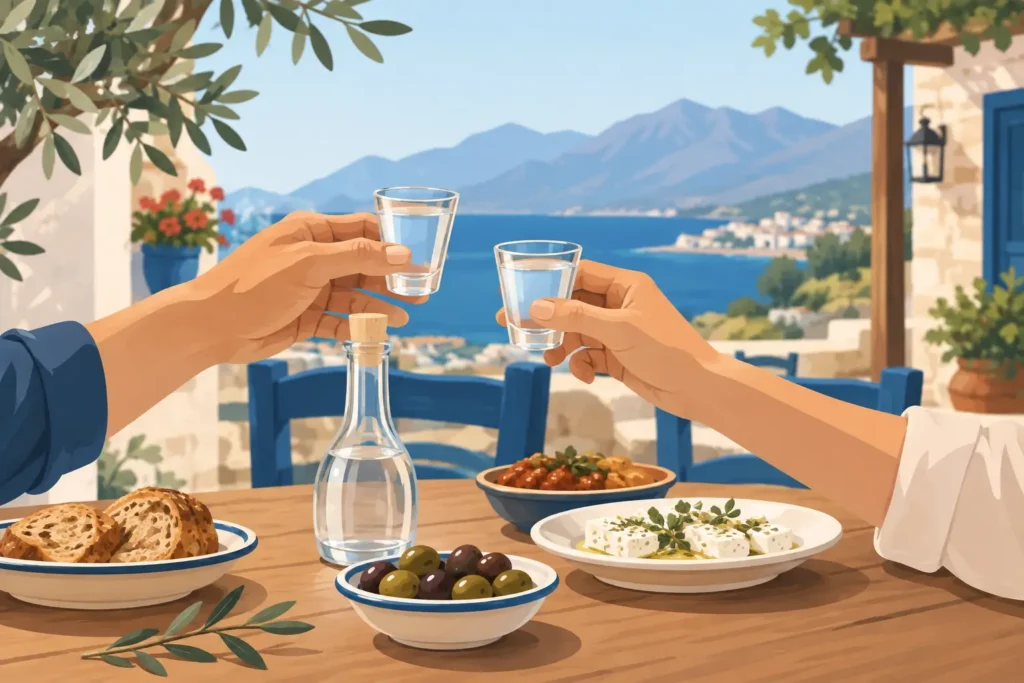
The small bottle may arrive after your meal without you ordering it, alongside fruit, a sweet, or a few nuts. If you are asking what is tsikoudia / raki etiquette in Cretan tavernas, the simple answer is this: accept the gesture with respect, sip rather than rush it, and never let a free drink turn into a risky drive.
Tsikoudia is part of everyday Cretan hospitality. It is not a tourist gimmick, a challenge, or a reason to abandon common sense. Understanding the custom makes dinner feel easier, especially when you are traveling around the island by rental car and want a relaxed evening followed by a safe return to your hotel.
What Tsikoudia Is - and Why Cretans Offer It
 Tsikoudia is a clear grape spirit distilled in Crete from grape pomace, the skins and remnants left after winemaking. Locals often call it raki, although visitors may also hear the name tsikoudia used more specifically. It is usually served chilled or at room temperature in a small glass.
At a Cretan taverna, raki is commonly offered after the meal, often on the house. The owner may bring it with the bill, or a server may place it on the table with a little dessert. This is hospitality, not pressure. The message is closer to “thank you for coming” than “you now have to drink.”
Raki.
Cretan Extra Virgin Olive Oil.
Cretan Smoked Meat.
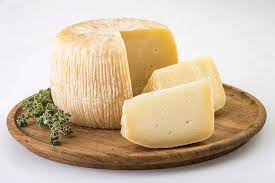
Cretan Cheese.
Cretan Wine.
Thyme Honey.
Xinohondros (Cretan dried soup)
The drink can be strong, often around 40 percent alcohol or more. That matters. Its smooth appearance and small glass can be misleading, particularly after a long beach day, a large dinner, or a drive through mountain roads. Treat it as a spirit, not as a soft after-dinner extra.
Tsikoudia / Raki Etiquette in Cretan Tavernas
The best approach is calm and uncomplicated. If you would like to take part, wait until everyone has been served, make eye contact, raise your glass, and say “Yamas,” meaning “to our health.” A small sip is completely normal. You do not need to empty the glass in one go.
In many tavernas, raki is enjoyed slowly while people continue talking after the plates are cleared. It may come with grapes, watermelon, a slice of orange, loukoumi, or another small sweet. Have a bite if it is offered. The food softens the strength of the drink and shows you recognize the host’s generosity.
Do not confuse the custom with a shot-drinking ritual. Fast drinking can look out of place and can leave you less able to judge your limits. Cretan hospitality is warm, but it is rarely about showing off. The point is sharing time at the table.
If a local pours another small glass, you can accept it if you genuinely want one. But you are not required to keep pace with anyone else. Tavernas vary by village, family, and owner. In a busy seaside restaurant, the gesture may be brief and routine. In a small inland village, a conversation with the owner may lead to a more generous pour and a longer stay. Read the room, keep your response friendly, and stay within your plan for the night.
Toasting without overthinking it
“Yamas” is enough for almost any situation. You may also hear “stin ygeia mas,” which means “to our health.” Raise the glass at chest height, acknowledge the people around you, and sip.
There is no need for a long speech or a complicated rule about clinking glasses. If others clink, follow along gently. If they simply raise their glasses, do the same. Being present and polite matters far more than getting every detail perfect.
Is it rude to say no?
No. You can decline tsikoudia politely, and most Cretans will understand immediately. This is especially true if you are driving, taking medication, do not drink alcohol, or simply do not want any.
A direct “No, thank you” works. If you want to give a reason, say, “I’m driving tonight,” or “I don’t drink alcohol.” You do not need to apologize repeatedly or accept a glass just to avoid awkwardness. A good host would rather you get back safely than take a drink you do not want.
If a bottle has already been placed on the table, leave your glass untouched and thank the server for the gesture. You can still enjoy the fruit or dessert. Refusing the alcohol does not mean refusing the hospitality.
The Rule That Matters Most: Do Not Drink and Drive
Crete is made for independent travel, but the roads deserve your full attention. Village streets can be narrow, lighting outside towns can be limited, and mountain routes demand concentration even in daylight. A small amount of strong alcohol can affect judgment more than you expect.
If you are the designated driver, skip the raki entirely. Do not rely on feeling fine, drinking water, or waiting a short time after dinner. Those are not reliable ways to make driving safe or legal. Arrange a driver, choose a taverna within walking distance, use a taxi where available, or save the drink for an evening when your car stays parked.
This is the practical choice, not the cautious tourist choice. At AthensCars, clear plans and no surprises are the whole point of a good Crete trip. The same thinking applies after dinner: decide before the bottle reaches the table who is driving, then keep that decision simple.
How to Handle a Generous Table
Cretan meals can become wonderfully social. A neighboring table may offer a toast, a taverna owner may send over a small bottle, or friends you meet on the road may suggest one more round. Enjoy the kindness, but remember that each small pour adds up.
Pace yourself with water and food. Do not let someone else refill your glass automatically if you have had enough. Placing your hand lightly over the glass and saying “ochi, efcharisto” - “no, thank you” - is clear and courteous. You can also say “arkei,” meaning “enough.”
If you are sharing raki with a group, do not assume you must match the most enthusiastic drinker. Different people drink differently, and locals know that. The respectful move is not to perform confidence. It is to know your limit and remain pleasant company.
Buying a Bottle or Taking It Home
Some tavernas serve house-made tsikoudia, and it can be excellent. If you enjoy it, ask whether the bottle is made locally and whether it is available to buy. This can start a good conversation, particularly in wine-growing areas.
Still, be realistic about transport rules and your luggage. A bottle in checked baggage may be possible depending on airline and security rules, while carrying high-proof alcohol in hand luggage is often restricted. If you are unsure, buy it as a gift only after checking your airline’s current policy. Do not let a souvenir become an airport problem.
Also remember that “homemade” does not always mean commercially labeled or consistently measured. Enjoy local products at the table, but be careful about taking unsealed alcohol on the road or assuming every bottle has the same strength.
A Few Situations Where Etiquette Changes
At a family-run village taverna, the owner may sit down for a toast. Accepting one small sip can be a friendly way to join the moment, but declining is still acceptable if you are driving. Be warm, not defensive.
At lunch, especially before a long day of sightseeing, it is usually wiser to skip it. A quick lunch stop can easily turn into an afternoon on unfamiliar roads, and Cretan distances often take longer than they look on a map.
At celebrations, the pours may be more frequent. Weddings, name days, and local festivals are joyful, but they are not the best setting to test your alcohol tolerance. Make transport arrangements first. Then you can relax without checking the time, the road, or your glass.
The right way to enjoy tsikoudia is refreshingly simple: take the welcome as it is meant, share a toast if it suits your plans, and leave the driving to someone who has not been drinking. That small decision lets you remember the meal, the people, and the road ahead for the right reasons.