You land in Crete full of plans, then lose an hour comparing maps, fuel rules, mountain roads and parking. A good road trip guide Crete travellers can actually use should do one thing well - remove uncertainty before you collect the car. That means knowing where driving is easy, where it gets slower than the map suggests, and how to build an itinerary that feels like a holiday rather than a race.
Crete is a strong island for self-drive travel because the distances are manageable, but the roads are not always fast. On paper, a route may look simple. In practice, a coastal road, a village stop, or summer traffic near a popular beach can add more time than expected. That is why the best road trips here are not the ones with the most pins on the map. They are the ones with enough room for a long lunch, a swim, and the occasional unscheduled detour.
Road trip guide Crete: start with the right plan
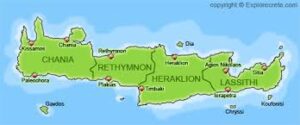
Most visitors begin in Heraklion or Chania, and that matters. If you arrive at one airport and depart from another, a one-way route can save a lot of backtracking. If you are flying in and out of the same place, a loop often works better. Neither is automatically better - it depends on how many nights you have and whether you want more beach time, more villages, or more time behind the wheel.
For a short stay of three to four days, it is smarter to choose one side of the island. Western Crete suits travellers who want a mix of harbour towns, beaches and scenic drives. Central and eastern Crete work well if you prefer archaeological sites, smaller resorts and less pressure to cover big distances. Trying to do the whole island in a long weekend usually means too many hours in the car and not enough time actually enjoying Crete.
For five to seven days, you have more flexibility. You can split your nights between two or three bases and keep daily driving comfortable. For longer stays, a full cross-island route becomes realistic, especially if you do not mind changing hotels. Families often prefer fewer hotel moves. Couples and friend groups are usually happier to stay flexible if it means seeing more.
The easiest Crete road trip routes
The north coast is the simplest place to start. Roads between the major towns are more direct, services are easier to find, and you are never too far from fuel, food or a beach stop. If you want low-stress driving, this is the strongest option. Road Trip Guide Crete for Easy Island Driving.
Chania to Rethymno to Heraklion

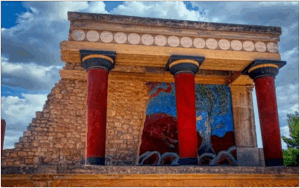
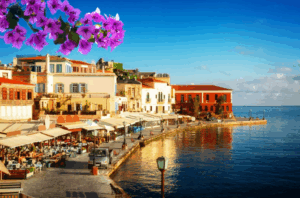
This is the most straightforward route for first-time visitors. Chania gives you the old harbour, good food and easy access to western beaches. Rethymno is a sensible overnight stop if you prefer not to drive everything in one go. Heraklion works well for travellers who want city access, Knossos, or a practical base before heading east.
This route is not remote or dramatic in the way mountain Crete can be, but that is exactly the point. It is dependable. Roads are more forgiving, travel times are easier to estimate, and if your flight lands late or your ferry arrives tired and delayed, you are not immediately dealing with narrow village bends after dark.
Heraklion to Agios Nikolaos to Elounda

If you want an easier eastern route, this one delivers. Agios Nikolaos is compact and pleasant, and Elounda suits travellers looking for a calmer base with sea views and easy day trips. The driving is usually less demanding than inland mountain routes, and the pace feels lighter.
This is a particularly good choice for couples and families who want independence without turning the holiday into a serious driving exercise. You can still see plenty, but the days remain relaxed.
Chania with western day trips
Some travellers do not need to change hotels at all. Staying around Chania and taking day trips west and south can be the right call if you want less packing and more beach time. Balos, Falassarna and Elafonissi are the names everyone knows, but the practical point is this - roads to famous beaches are often slower, busier and more tiring than they look online. Start early, especially in high season.
When mountain roads are worth it - and when they are not
A realistic road trip guide Crete visitors can trust should be honest about inland driving. Mountain villages, gorges and south coast routes can be memorable, but they are not always suitable for every traveller. Roads may be narrow, corners can be tight, and average speeds are lower than many visitors expect.
If you enjoy driving and want a more local side of the island, inland routes are often the highlight of the trip. You will see a quieter Crete, stop in villages that coaches do not reach, and have more freedom to adjust your day as you go. If, however, you are a nervous driver, arriving on little sleep, or travelling with young children who do not enjoy long winding roads, keep things simpler. There is no prize for choosing the most demanding route.
Driving in daylight makes a big difference. So does vehicle choice. A very small car may be ideal for parking in town, but if you are travelling with family, luggage, child seats and beach gear, comfort matters. The cheapest option online is not always the cheapest once you factor in stress, lack of space or unclear insurance cover.
What catches drivers out in Crete
The biggest mistake is trusting the map too much. Distances are one thing, driving time is another. A 90-kilometre route can feel easy on the north coast and much longer inland. The second mistake is overplanning. If every day has four stops, one delay can throw off the entire schedule.
Parking is another issue. In old towns such as Chania and Rethymno, central parking can be limited, especially in summer evenings. It is often easier to park slightly outside the busiest streets and walk in. At beaches, arrive early for the better spaces and less heat. In villages, park carefully and avoid blocking narrow access roads. What looks like an empty stretch may be somebody's only turning space.
Fuel is simple if you stay sensible. Do not wait until the tank is nearly empty before heading into rural areas or onto a long beach day. Fill up when you pass a larger town if you know the next part of your route is remote.
Then there is the issue many travellers only discover at the desk - insurance. Some holidaymakers book through comparison sites because the headline rate looks low, then spend the collection process sorting out extras, deposits or exclusions. That is the wrong time to be negotiating risk. Clear terms, no hidden costs and fully comprehensive insurance with no excess make a practical difference on an island where tyres, glass, village parking and unfamiliar roads are part of real driving, not rare exceptions.
Picking up your hire car without starting the holiday badly
The easiest road trip begins with a simple handover. Airport and port arrivals are usually the best moment to collect the car because you avoid transfer costs and start moving on your own schedule. Hotel delivery can also work well if you want a car only for part of the holiday.
Before you arrive, check the basics. Confirm the pickup point, the fuel policy, the age requirements, and whether child seats are ready if you need them. Read what the insurance actually includes. If a company makes the booking process look easy but the coverage vague, that is not simplicity - it is a problem postponed until arrival.
This is where local operators tend to make life easier. A Crete specialist such as AthensCars focuses on direct service, pay on arrival, and cover that is clearly explained before handover. For many travellers, that matters more than a polished booking page or an unrealistic rate that changes once you land.
A practical 5-day road trip guide Crete visitors can follow
Day one, keep it light. Collect the car in Heraklion or Chania, drive to your base, and use the first afternoon for a short local outing rather than a long transfer. You will drive better once you have rested and adjusted.
Day two, take an easy north coast route. If you are based in Chania, head towards Falassarna or Rethymno depending on whether you want beach or town. If you are based in Heraklion, drive east towards Agios Nikolaos. Build in one major stop and one flexible stop, not five fixed ones.
Day three, choose between culture and scenery. This is the right day for an archaeological site, a monastery, or a mountain village route if you want one more demanding drive. Start early and keep the afternoon loose.
Day four, go south only if you are comfortable with more winding roads. The reward is a different side of the island, less polished and often more memorable. If not, keep to the coast and enjoy a slower beach day with a proper lunch.
Day five, leave margin before your flight or ferry. Crete rewards spontaneity, but departure day is not the moment to test a long final detour.
The best island drives are rarely the busiest ones. Leave space in the plan, choose clear rental terms before you land, and let the road work for your holiday rather than against it.