
The short answer to is Crete hot in July? is yes. July is properly hot, reliably sunny and usually dry across the island. It is the month for early beach mornings, long lunches in the shade and evening meals when the heat finally eases. If you are planning to see more than one resort, a hire car gives you the freedom to travel at the cooler times of day rather than waiting in the sun for buses or tours.

For most visitors, the heat is part of the appeal. But Crete is a large island with mountains, exposed south-coast roads and busy towns, so the experience changes depending on where you stay and how you plan your days. A little preparation makes the difference between a brilliant July holiday and one spent overheated, sunburnt and stuck indoors at midday.
Is Crete hot in July across the whole island?
Yes, although not every part of Crete feels identical. On the north coast, including Heraklion, Rethymno and Chania, daytime temperatures commonly sit around 28-32°C. During hotter spells, temperatures can rise well above that, particularly away from the coast and in built-up areas where stone and concrete hold the heat.
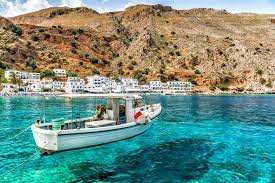
The south coast often feels even hotter and drier. Resorts and villages around Matala, Agia Galini, Ierapetra and the Libyan Sea can be very warm in July, with less of the cooling effect found on some northern beaches. Inland locations may also be hotter during the day, although mountain villages can offer noticeably cooler air, especially after sunset.
Humidity is usually lower than many UK visitors expect, which can make 30°C more manageable. That does not mean the sun is mild. Crete's July sunshine is strong, and a breeze can hide how quickly you are burning. Treat the middle of the day with respect, particularly if you are travelling with children or spending hours on an exposed beach.
What weather should you expect in July?
July is one of Crete's driest months. Rain is unusual, skies are generally clear and you can plan outdoor days with confidence. Pack for hot weather first: light clothing, swimwear, sunglasses, a hat and footwear that can handle hot pavements and uneven ground.
Evenings remain warm. In coastal resorts, temperatures often stay comfortable enough for eating outside late into the night, though a light layer can be useful on a windy waterfront or if you are heading into the mountains. You will not need heavy clothing, but do not rely on flip-flops alone if you intend to visit archaeological sites, gorges or hill villages.
The Meltemi, a seasonal northern wind, can affect Crete during summer. It is more noticeable on parts of the north coast and can be welcome when temperatures are high. On stronger days, however, it can make the sea choppy, move sand around and affect boat trips. If a beach day matters most, ask locally which side of the island is more sheltered before setting off.
The sea is warm enough for long swims
By July, the sea around Crete is usually wonderfully warm, often around 24-26°C. Most people will find it comfortable for swimming without hesitation. Morning swims are especially enjoyable before the beaches get busy and the sand becomes too hot underfoot.
Do keep an eye on flags, wind and local advice. A calm-looking beach can have currents, and north-facing beaches may become rougher when the wind picks up. Families should choose organised beaches with lifeguards where possible, particularly when younger children are in the water.
Plan July days around the heat
The most straightforward rule is this: do your active sightseeing early, relax between roughly 12pm and 4pm, then go out again in the late afternoon. Crete rewards this rhythm. You can explore Knossos, walk through Chania Old Town, visit a village or drive to a beach before the strongest sun arrives, then return for a swim, lunch and rest.
If you are determined to visit a major site at midday, carry more water than you think you need. Historic sites have limited shade in places, and the pale stone reflects heat upwards. A refillable bottle, hat and sunscreen are not optional extras in July.
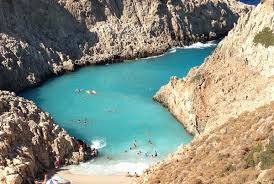
For beach trips, leave earlier than you would at home. Popular places such as Elafonissi, Balos and Vai can become very busy, while parking becomes more difficult as the day goes on. An early start also gives you a better chance of finding shade and enjoying the drive without the heaviest traffic.
Driving in Crete during July
A car is one of the easiest ways to manage July heat. You can carry water, beach equipment, children’s supplies and spare clothing, and you are not tied to the hottest walking routes or public transport timetables. Air conditioning matters in July, especially for airport arrivals, family travel and longer cross-island journeys.
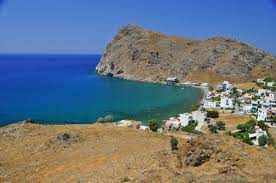
Crete's roads require sensible driving rather than rushed driving. Main routes between Heraklion, Rethymno and Chania are straightforward, but mountain roads can be narrow, winding and slower than they look on a map. Avoid trying to fit too much into one day. A route that appears short in kilometres may involve steep bends, village traffic and stops you will want to make.
Before leaving your accommodation, check the fuel level, set your route and make sure everybody has water. Do not leave mobile phones, passports, medicine or electronics in a parked car under direct sunlight. The interior can become extremely hot in minutes. When parking at a beach or town, shade is useful, but do not block access, park on dry vegetation or assume a rough track is suitable for an ordinary car.
For a stress-free rental, choose a local company that explains what is included before you arrive. July is busy, and the cheapest headline rate can become expensive if excess charges, unclear insurance or surprise add-ons appear at collection. AthensCars keeps the process simple with payment on arrival and fully comprehensive cover with no excess, so you can focus on the road rather than worrying about a costly holiday surprise.
Choose the right car for your plans
A small car is often ideal for couples staying in towns or visiting beaches with tight parking. It is easier to handle on narrow village streets and generally more economical. Families, groups and travellers carrying pushchairs or several suitcases may prefer extra space, particularly when collecting from Heraklion or Chania Airport.
Do not choose a vehicle based on looks alone. Think about luggage, child seats, the number of passengers and whether you will spend several hours driving. If your itinerary includes remote beaches or mountain areas, ask in advance about the roads you intend to use. A standard hire car is not designed for every unpaved track shown on a map.
Where to go when the temperature rises
July does not mean you must stay beside a crowded pool. Crete has plenty of ways to cool down or avoid the fiercest heat. The north coast offers organised beaches, tavernas and easy access to facilities. The south coast gives you clear water and a slower pace, though it can be hotter. Mountain villages such as Archanes, Anogia or those on the Lasithi Plateau can offer a welcome change of temperature and excellent local food.
Gorges need more care. A long walk in the July sun can be demanding even for fit travellers. If you plan a hike, start at opening time, wear proper shoes, take plenty of water and check whether the route is suitable for your group. For many families, a shorter shaded walk, a cave visit or a mountain lunch is a better July choice than an all-day trek.
A flexible itinerary is your best protection against the weather. Keep one or two beach options in mind, especially if wind changes the conditions on your chosen coast. Use the hottest hours for lunch, a siesta or a leisurely drive with the air conditioning on, then save promenades, harbour walks and old towns for the evening.
What to pack for Crete in July
You do not need a complicated packing list, but you do need the right basics. Bring high-factor sunscreen, after-sun care, a hat that stays secure in the wind, sunglasses and a reusable water bottle. Light cotton or linen clothing is useful, while a loose long-sleeved top can protect shoulders during drives and boat trips.
Water shoes are worthwhile for pebbly coves and hot sand. Comfortable trainers or walking sandals are better than beach footwear for ruins, villages and uneven paths. If you are travelling with young children, pack familiar sun protection and snacks for journeys, as a hot, hungry child in a winding mountain car is nobody's idea of a relaxed day out.
July in Crete is hot in the best sense: blue skies, warm sea and long daylight for seeing the island on your own terms. Start early, keep water close, leave room in the day for a shaded lunch, and let the evening be the time for wandering somewhere beautiful.