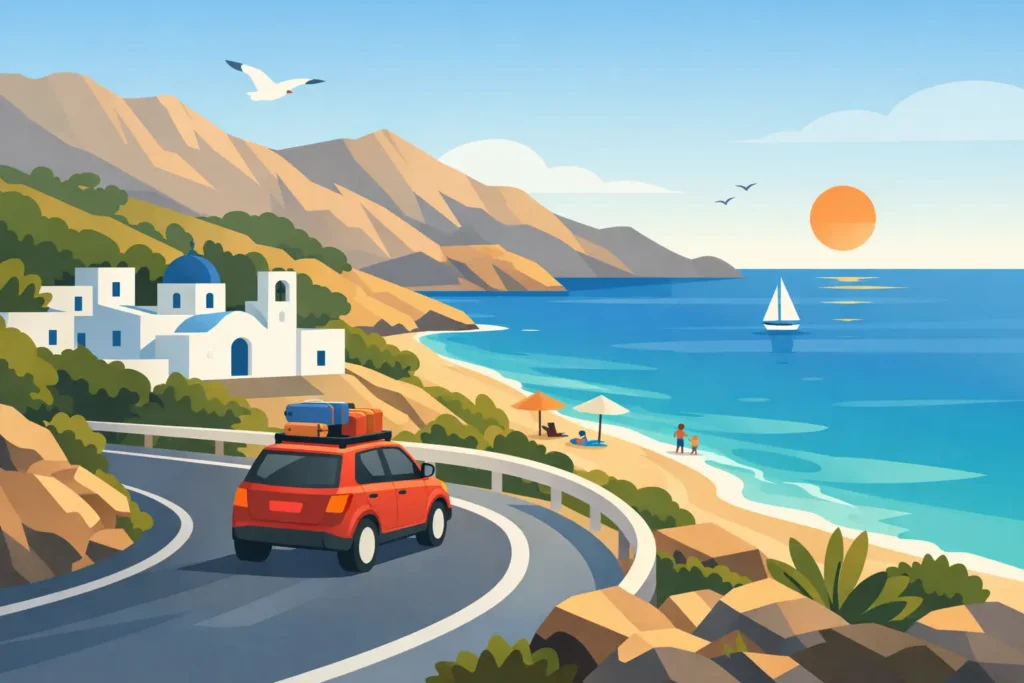
The south coast of Crete is where the island slows down. Leave the busy north-coast resorts behind and you will find small fishing villages, open roads, steep gorges and beaches where the mountains meet the Libyan Sea. This South Crete travel guide is for travellers who want to see more than one beach, avoid wasted driving time and arrive with a plan that works.
A car makes the difference here. Public buses connect some main towns, but they are not designed around quiet coves, mountain villages or flexible family days out. South Crete rewards independent travel, provided you choose sensible routes and do not try to fit the whole coast into a few days.
Choose the right part of South Crete
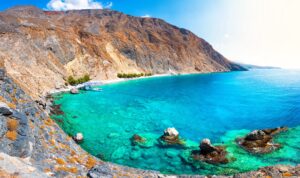
The south coast is long, varied and separated by mountain ranges. A place that looks close on a map can take far longer to reach than expected. For a relaxed holiday, choose one or two areas rather than changing hotels every night.
The central south is the simplest choice from Heraklion. Matala, Pitsidia, Kalamaki and Agia Galini offer a good mix of beaches, tavernas and straightforward access by road. Matala is the best known, with its former cave dwellings beside the beach, while nearby Kalamaki feels quieter and has a broad stretch of sand.
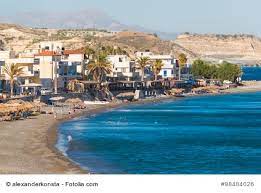
Further east, the Ierapetra area gives you warmer, drier weather and an authentic working-town atmosphere. It is a practical base for beaches around Myrtos, Tertsa and Koutsounari, plus boat trips to Chrissi Island when services are running. This side of the coast is particularly suitable if you land at Heraklion and prefer less mountain driving.
The west and south-west are more dramatic but need more time. Plakias, Damnoni and Souda Beach are easier to reach by road than remote villages such as Loutro, which has no road access and is reached by boat or on foot. Paleochora is another excellent base, but it is better suited to travellers flying into Chania or those happy to make a longer cross-island drive.
A realistic South Crete road-trip plan
For five to seven nights, base yourself in one area and take day trips. A central-south stay works well if your priority is Matala, Agia Galini, the Palace of Phaistos and the villages of the Messara plain. You can arrive at Heraklion Airport, collect your car, and be on the coast in roughly 75 to 100 minutes depending on your destination.
For a seven- to ten-night trip, split the holiday between two bases. Start around Matala or Agia Galini, then move east towards Myrtos or Ierapetra. This avoids long backtracking and gives each area enough time. Alternatively, begin in Chania, stay near Plakias or Paleochora, then travel east only if you are comfortable with a full driving day.
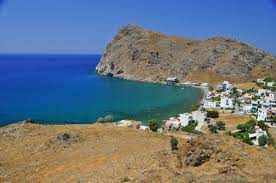
Do not plan a same-day circuit from Heraklion to Chania via the south coast. It may look adventurous, but it turns your holiday into a sequence of bends, fuel stops and late arrivals. Crete is large, and south-coast roads are often narrow, steep and slower than sat-nav estimates.
The best drives, without rushing
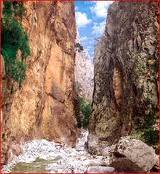
The road from the north through the Kourtaliotiko Gorge towards Plakias is one of the most memorable approaches to the coast. Stop safely at designated places only, as traffic can be quick on the bends and parking space is limited.
The route from Heraklion through the Messara plain towards Matala is gentler. It suits families, first-time visitors and anyone collecting a car after a flight. Combine it with Phaistos, one of Crete's major Minoan sites, then finish the day at the sea rather than trying to add another mountain route.
From Ierapetra, the coastal road west to Myrtos offers wide sea views and several places to stop. It is not a motorway, but it is generally less demanding than the roads around the far south-west. In high summer, set off early, especially if you want to park close to the beach.
Beaches and villages worth your time
Matala is lively in season, easy to reach and ideal for a first south-coast beach day. Go early if you want a sunbed or a shaded spot. For a quieter alternative nearby, drive to Red Beach only if you are prepared for a hot walk over uneven ground. It is not the best choice for buggies, very young children or anyone wearing loose sandals.
Agia Galini is built up a hillside above a small harbour. It has more facilities than many south-coast villages and is a strong option for couples who want evening restaurants within walking distance. Parking can be tighter in the centre, so accommodation with clear parking arrangements is worth considering.
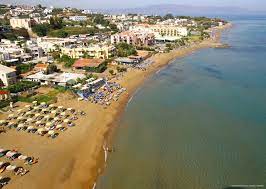
Plakias is a practical base rather than a polished resort. Its long beach, supermarkets and choice of places to eat make it convenient, while Damnoni and Ammoudi are nearby for a change of scenery. Wind can be strong on this coast, so check conditions before committing to a beach day with children.
Myrtos has the relaxed feel many visitors hope to find in south Crete: a small seafront, local tavernas and a beach close to the village. The pebbly shore means water shoes can be useful. Paleochora, meanwhile, has two different beach sides and a more independent, lived-in character. It is a good choice if you like walking to dinner and do not need a large resort hotel.
Driving in South Crete: what to expect
Drive defensively and allow more time than your map suggests. Many roads are well surfaced, but mountain sections can be narrow, have blind bends and drop away at the edge. Local drivers know the roads well and may travel faster than you expect. Keep right, use pull-in points where appropriate, and never stop in a lane to take photographs.
Avoid relying on a small rental car for routes marked as unpaved, rough or remote unless your rental agreement specifically permits them. Tracks leading to isolated beaches can damage tyres, wheels and the underside of a vehicle. A low daily rate means little if the cover excludes the damage most likely to happen on that track.
Fuel stations are common around larger towns but less frequent once you are deep in the south. Do not wait for the warning light before filling up, particularly before mountain drives or a late arrival at your accommodation. Keep water in the car, carry your driving licence, and use proper child seats for younger passengers.
Parking is generally easier than in Heraklion or Chania, but village centres and popular beaches fill up during July and August. Park legally, keep valuables out of sight and take note of where you have left the car. Some smaller hotels are reached via tight lanes, so ask in advance whether there is on-site parking and the easiest approach road.
Book the car for the trip you actually want
For a couple staying around Matala or Myrtos, a compact car is usually enough and easier to park. Families with luggage, beach equipment and child seats should consider a larger model. If you plan to cross mountain roads daily, choose comfort and luggage space over the smallest possible price.
Check the insurance wording before you book. South Crete is a place for relaxed exploring, not arguments at the rental desk about excess, tyres, glass or underside damage. Clear, fully comprehensive cover with no excess gives you a more predictable holiday cost, particularly when driving unfamiliar mountain and coastal roads.
Booking direct with a Crete specialist also makes practical arrangements simpler. AthensCars can arrange collection and return at airports, ports, hotels and key towns, with payment at handover rather than an unexpected charge after booking. Confirm your collection point, your flight or ferry details, child-seat needs and any one-way request before travelling.
When to go and what to pack
May, June, September and early October are often the best months for a south-coast road trip. The sea is pleasant, roads are quieter and daytime temperatures are more comfortable for ruins, gorges and village walks. July and August bring reliable heat and busy beaches, but also stronger winds in some areas and greater demand for cars and rooms.
Bring reef shoes for pebbly beaches, a light layer for cooler evenings outside peak summer and sun protection that can handle long days in the car. A paper map is not essential, but it is useful when mobile signal drops in mountain areas. Most of all, leave room in the itinerary for an unplanned stop: a shaded taverna, a nearly empty beach or a village square can become the part of Crete you remember most.